 EN
 INA
Mapping Microplastic Pollution in Ngurah Rai Mangrove Forest, Udayana Environmental Engineering Conducts Water Quality Assessment University General
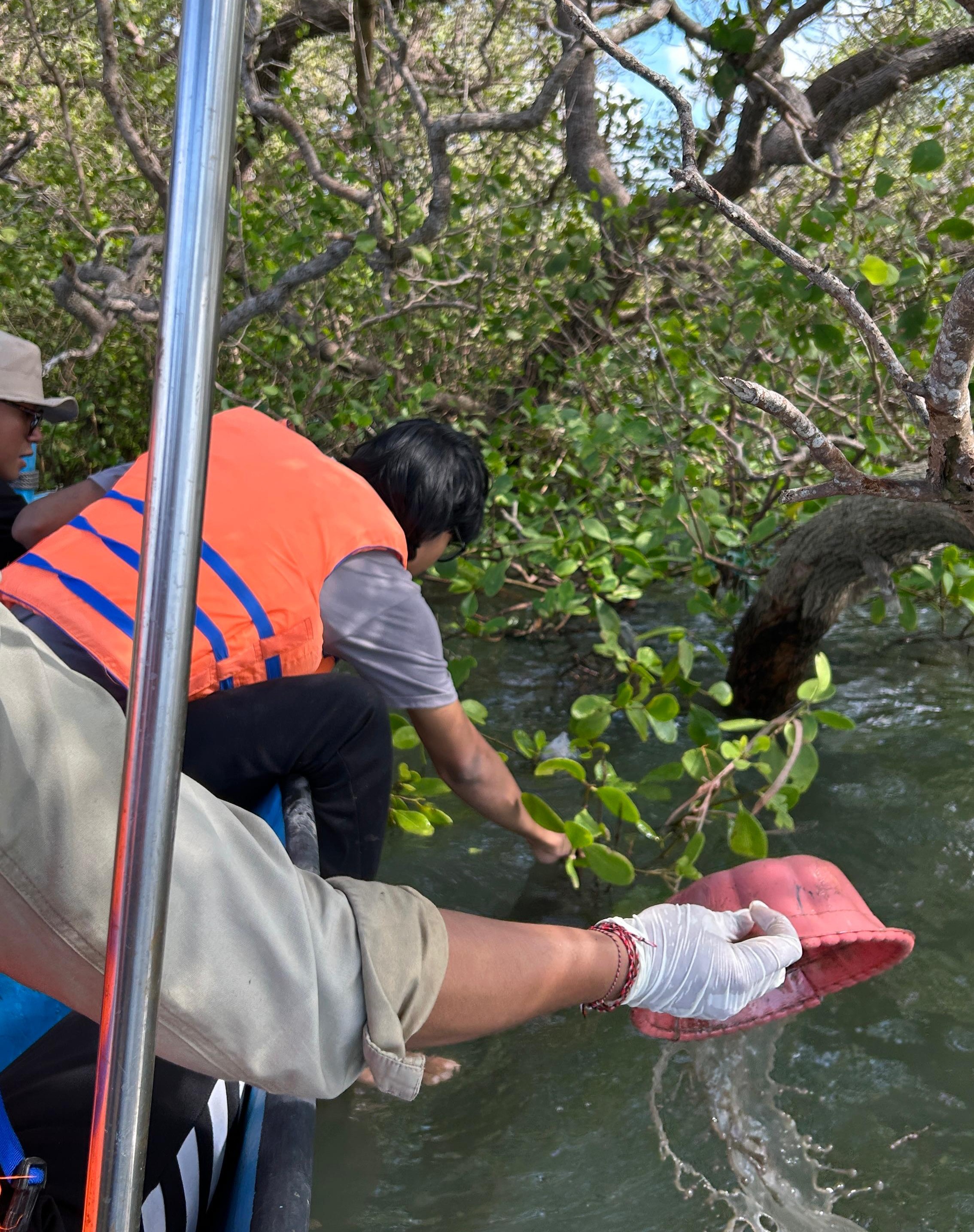
In response to the growing global issue of water pollution, Udayana University (Unud) Professor of Environmental Engineering, Prof. Kadek Diana Harmayani, is leading a comprehensive research study on the distribution and association of microplastics. Located in the Mangrove area of Ngurah Rai Grand Forest Park (Tahura Ngurah Rai), this study represents a concrete step in addressing the challenges of urban coastal pollution in Bali.
The transitional waters flowing into the Ngurah Rai Mangrove were selected as the study site due to their critical role as a primary downstream endpoint receiving river runoff from the densely populated urban areas of Denpasar, including the Tukad Badung river. This mangrove ecosystem is highly susceptible to domestic waste accumulation. The research specifically focuses on tracking the presence of microplastics—plastic particles smaller than 5 mm—before these pollutants damage the mangrove ecosystem and are released into the open ocean.
Technically, the research execution involves field surveys to collect water and sediment samples across multiple stations within the mangrove area. This process is then followed by extraction, characterization, and visual identification stages in the laboratory. This analytical approach is carried out to precisely determine the distribution of microplastic concentrations and their associations with various existing water quality parameters.
The findings from this research, spearheaded by Prof. Kadek Diana Harmayani, are projected to serve as a crucial scientific database. It is expected that local governments and relevant stakeholders can utilize these findings directly as a robust foundation for formulating mangrove conservation strategies, pollution mitigation efforts, and more targeted coastal pollution control policies.

FACULTY OF ENGINEERING